

13th Annual Meeting of BRAF Held in Sofia: Artificial Intelligence in Media and Regulation Discussed
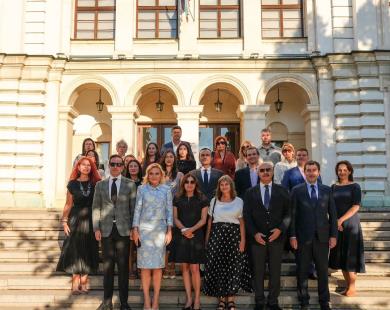
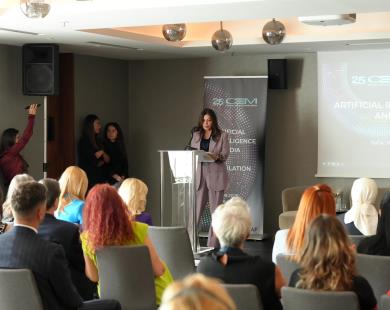
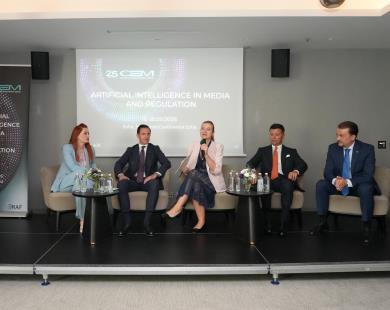
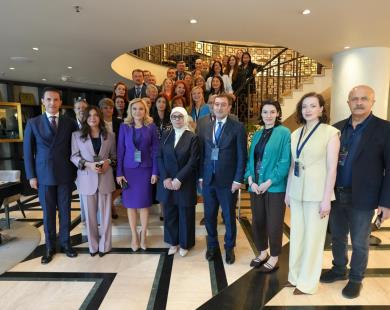
The 13th Annual Meeting of the Black Sea Broadcasting Regulatory Authorities Forum (BRAF) was held in Sofia, Bulgaria, from 16 to 18 September 2026, hosted by the Council for Electronic Media (CEM), under the main theme of “Artificial Intelligence in Media and Regulation.”
The Meeting brought together representatives of the BRAF Member Authorities, as well as the sectoral dialogue partner, the BSEC Permanent International Secretariat (BSEC PERMIS), to exchange views and information on recent developments in the broadcasting and media sectors.
Representing RTÜK, BRAF Secretary General and RTÜK Deputy President Dr. Deniz Güçer, RTÜK Board Members Orhan Özdemir and Dr. Necdet İpekyüz, and RTÜK Vice President Dr. Deniz Güler took part in the Meeting.
A Focus on Artificial Intelligence in the Future of Media
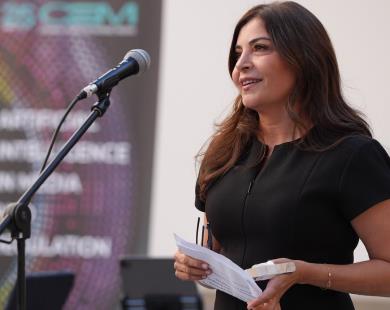
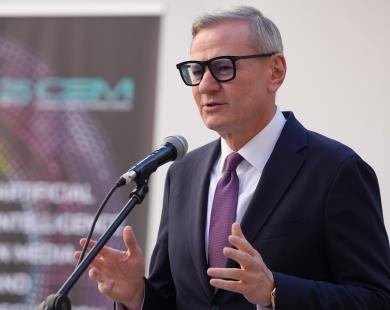
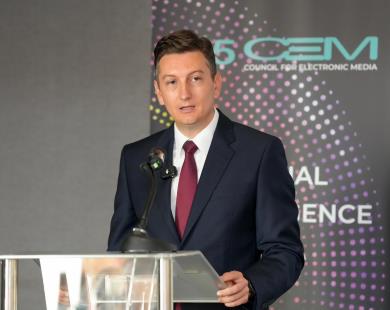
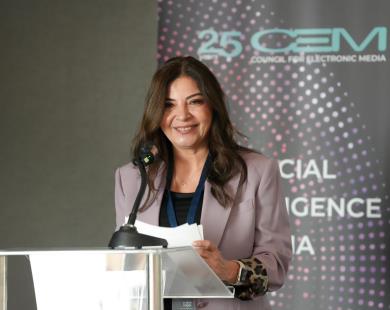
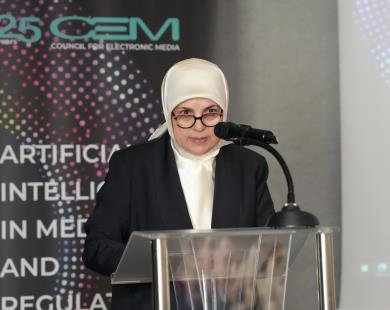
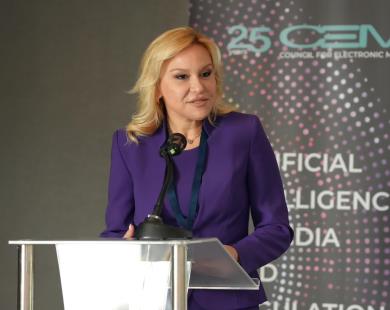
The official opening of the 13th Annual Meeting of BRAF featured remarks by Bulgarian Minister of Innovation and Digital Transformation Ivan Vasilev, BRAF Secretary General and Deputy President of the Radio and Television Supreme Council (RTÜK) Dr. Deniz Güçer, H.E. Ambassador Dr. Merve Safa Kavakcı, First Deputy Secretary General of the Permanent International Secretariat of the Organization of the Black Sea Economic Cooperation (BSEC PERMIS), and Dr. Gabriela Naplatanova, Chair of the Council for Electronic Media (CEM).
The opening remarks focused on the main theme of the Meeting, “Artificial Intelligence in Media and Regulation,” highlighting the opportunities and challenges presented by the growing use of Artificial Intelligence (AI) in the media sector, as well as the importance of effective, balanced, and responsible regulatory approaches.
“We Will Once Again Reaffirm Our Shared Commitment to Responsibility, Dialogue, and Mutual Respect in the Media”
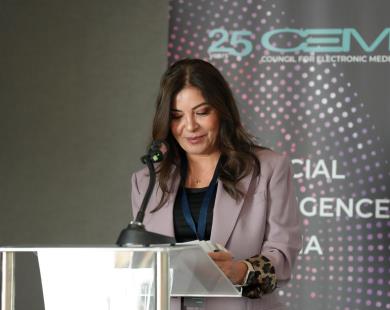
Dr. Deniz Güçer expressed her appreciation to the Bulgarian Council for Electronic Media (CEM) and its Chair, Dr. Gabriela Naplatanova, for hosting the Meeting and bringing the BRAF Member Authorities together once again. She highlighted the achievements made through cooperation at previous meetings and reaffirmed the shared commitment to responsibility, dialogue, and mutual respect in the media sector.
Referring to the main theme of the Meeting, Dr. Güçer emphasized the importance of addressing the opportunities and challenges presented by Artificial Intelligence (AI) in the media sector, underlining the need for effective and balanced regulatory approaches.
Dr. Güçer, in her opening remarks said:
“First, I would like to thank the Bulgarian Audiovisual Media Authority and its Chair, Dr. Gabriela Naplatanova, for organizing this important meeting and bringing us together once again. Our previous meetings have shown what we can achieve through cooperation. I trust that today we will continue this tradition. We will reaffirm our shared commitment to responsibility, dialogue, and mutual respect in the media landscape. Today’s meeting gives us a valuable opportunity to discuss one of the most important issues of our time: Artificial Intelligence in the media and the need for effective and balanced regulation.”
“Artificial Intelligence Is Rapidly Transforming the Media Industry”
“As is the case in other sectors, AI is sharply transforming the media sector. It is changing how information and content are created, distributed, and consumed. It is also changing editorial processes, moderation, and audience engagement.”
“The Necessity of Respecting Fundamental Rights in the Use of Artificial Intelligence”
“On the other hand, AI brings important opportunities. It can support innovation, creativity, and efficiency. It can help journalists and content creators save time, analyze large amounts of data, and reach audiences in new ways. It can also support multilingual communication, improve accessibility, and expand access to information. However, it also brings serious challenges. These include disinformation, manipulation, lack of accountability, privacy concerns, hurting human dignity and risks to fundamental rights.”
“Artificial Intelligence Is Shaping the Future of the Media”
“The question is no longer whether AI will shape the future of media. It already is. Our responsibility is to ensure that this transformation serves the public interest while allowing innovation to continue. As media regulators, we have an important role to play. We must support innovation while creating clear safeguards against the misuse of AI. We must protect freedom of expression, media pluralism, and the independence of journalism.”
“International Dialogue and Cooperation Among Regulatory Authorities Are More Important Than Ever”
“No country can address these challenges alone. AI crosses national borders. Therefore, international dialogue and regulatory cooperation are more important than ever. By sharing expertise, exchanging best practices, and developing common principles, we can build effective and balanced approaches to AI regulation. At the same time, we must respect our different national legal frameworks.”
“Let Us Ensure That Artificial Intelligence Serves Humanity Rather Than Replacing It”
“Let us work together to ensure that artificial intelligence serves humanity rather than replacing it.”
Country Reports and Panel Sessions
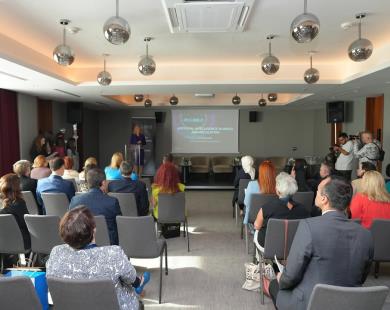
Following the Opening, the Meeting continued with a presentation by the BRAF Permanent Secretariat on the 12th Annual BRAF Meeting, followed by country reports presented by the Member Authorities. The programme then continued with the panel sessions.
The first panel, moderated by Alexei Nistrean, focused on the topic “How AI is Reshaping Content Creation, Moderation, and Distribution”. The discussion focused on how AI-generated and AI-assisted content can be produced and distributed in a way that promotes media pluralism and transparency while safeguarding fundamental rights, from the perspective of media regulatory authorities.The second panel, meanwhile, addressed the topic “The Future of Media Regulation in an AI-Driven World: Regulatory Tools, Monitoring Mechanisms, Best Practices and Regional Cooperation in AI-Driven Media".
RTÜK’s AI-Powered Platform VİA+ Introduced to BRAF Members
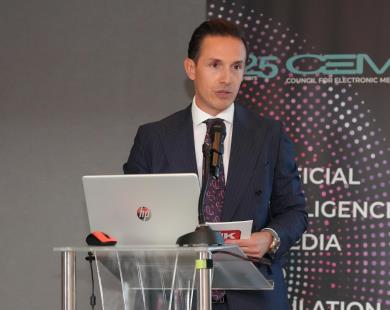
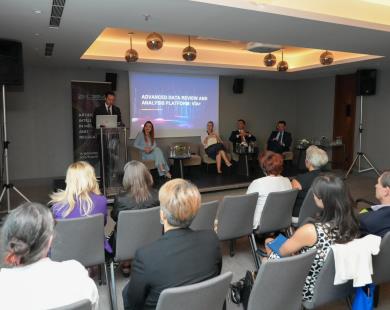
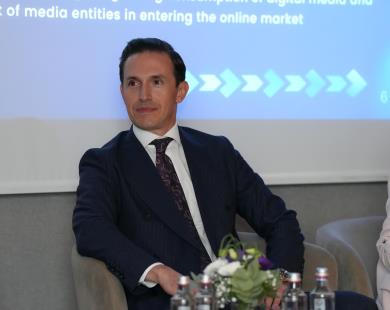
During the second panel, RTÜK Vice President Dr. Deniz Güler introduced VİA+, RTÜK’s new-generation AI-powered monitoring and analysis platform, to representatives of the BRAF Member Authorities.
The presentation provided an overview of VİA+ and its AI-based capabilities in media monitoring and analysis, highlighting the role of advanced technologies in supporting regulatory processes and enhancing the efficiency of media monitoring.
In his presentation titled “A New Era in AI-Powered Media Monitoring at RTÜK: VİA+,” Güler highlighted the ever-increasing volume of content in the media landscape and emphasized that, from the perspective of regulatory authorities, the real issue is no longer whether to use artificial intelligence, but how to leverage it without abandoning human judgment.
Nothing that Türkiye possesses one of the region’s most dynamic and diverse media ecosystems, Güler stated that the volume and diversity of content facing regulatory authorities have increased significantly with the proliferation of on-demand media services alongside traditional broadcasting. Stressing that human expertise remains indispensable, Güler noted that technology offers experts the opportunity to view more content, process it more quickly, and focus their attention on what truly matters.
Explaining that VİA+, developed following RTÜK’s SKAAS infrastructure—which continuously records and archives broadcasts—was designed to transform large volumes of broadcast data into meaningful and usable information for regulatory purposes, Güler outlined the system’s fundamental approach with the following words: “We are not replacing human expertise with artificial intelligence; rather, we are using it as a tool to support and enhance our work.”
More Than 19,200 Hours of Audio and More Than 300 Million Frames Processed in a Single Day
VİA+ is capable of continuously monitoring and analysing both broadcast and online content, distinguishing between different types of content, including commercials, news, films, documentaries, and sports. The platform analyses audio and video content, identifies relevant material, and generates real-time summaries and analyses, transforming hours of broadcasts into meaningful data that can be directly used by RTÜK experts.
During the presentation, figures illustrating VİA+’s processing capacity were also shared with the BRAF Member Authorities. The platform can transcribe more than 19,200 hours of audio into text in a single day, analyse more than 300 million video frames, and process and archive approximately 12 terabytes of new data. Dr. Güler noted that listening to 19,200 hours of audio content continuously would take a single person approximately 800 days, emphasizing that the scale and speed of today’s media environment make AI-powered monitoring an increasingly important tool for regulatory authorities.
VİA+’s image-processing capabilities also enable the detection of specific visual elements and patterns within broadcasts. By identifying moments that may require regulatory attention across thousands of hours of content, the system directs experts to the relevant sections for further assessment. Summarizing the workflow, Dr. Güler said that: “Artificial intelligence identifies the content; our experts then assess what it means.”
“VIA+ Performs the Analysis; Our Experts Make the Final Assessment”
“VIA+ Performs the Analysis; Our Experts Make the Final Assessment”
In his presentation, Dr. Güler emphasized that Artificial Intelligence is particularly valuable when used to support human expertise. He noted that VİA+ can generate detailed reports by analysing local video files and online content, while clarifying that the system’s analysis does not constitute a regulatory assessment. He summarized this approach by stating: “VİA+ analyses; our experts conduct the assessment.”
Noting that the ultimate purpose of technology is to serve people, and that protecting children from content that could harm their physical, mental, or moral development is among RTÜK’s fundamental responsibilities, Dr. Güler explained that VİA+ can quickly identify scenes that may require review in terms of age ratings or Smart Labels and bring them to the attention of experts. He emphasized that it is the experts—not the system—who determine whether content may be harmful. Dr. Güler further highlighted the principle that “Artificial Intelligence identifies and prioritizes; our experts make the decision,” noting that this approach transforms technology from merely a tool for efficiency into a means of supporting public protection. At the conclusion of his presentation, he emphasized that the relationship between Artificial Intelligence and human judgment will be decisive for the future of media regulation, stating: “Artificial Intelligence can detect, classify, summarize, and prioritize. However, context, proportionality, and legal assessment must remain the responsibility of humans.” Dr. Güler concluded by stressing that the future of media regulation is not about choosing between human intelligence and Artificial Intelligence, but rather about responsibly combining the capabilities of both.
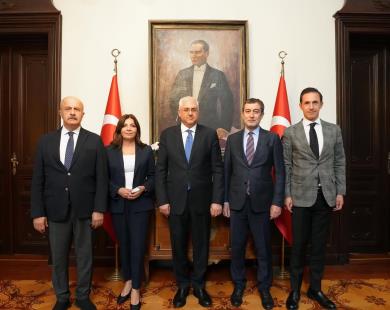
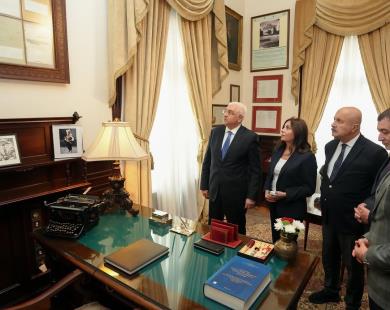
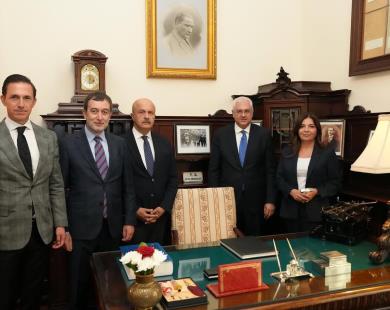
As part of the programme of the 13th Annual Meeting of BRAF, the RTÜK delegation paid a visit to the Embassy of the Republic of Türkiye in Sofia. The delegation, comprising Dr. Deniz Güçer, Deputy President of the Supreme Council and Secretary General of BRAF; Supreme Council Members Orhan Özdemir and Dr. Necdet İpekyüz; and RTÜK Vice President Dr. Deniz Güler, was received by H.E. Mehmet Sait Uyanık, Ambassador of the Republic of Türkiye to Sofia.
During the 13th Annual Meeting of BRAF, it was agreed that the 14th Annual Meeting of BRAF will be hosted by the Commission on Television and Radio of Armenia next year.